

Choosing a removal method depends on what the lesion is, where it is and whether it needs clinical assessment. For private skin lesion removal in Bolton, start by having a clinician assess the area and explain the appropriate next step. Removal can feel different for each person, so it’s reasonable to ask what to expect before deciding.
You may be considering removal because a mole or skin tag catches on clothing, affects your confidence or has changed in appearance. The method, healing process and sensations during treatment depend on the lesion and the approach used, so experiences vary.
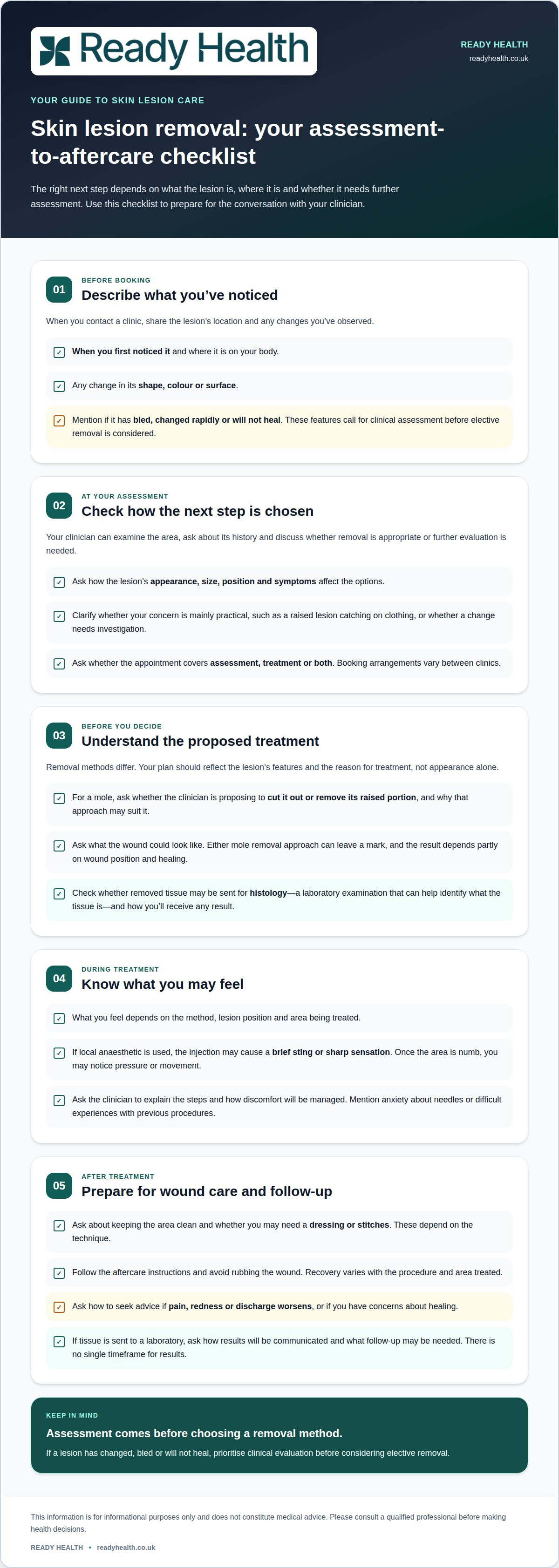
This guide explains how private skin lesion care works, what minor procedures may involve and what treatment can feel like. It also covers how a clinical assessment helps determine the next step and when a GP consultation may be a useful starting point.
Key Takeaways
- A clinical assessment helps identify what a skin lesion may be and whether removal is an appropriate next step.
- The suitable removal approach depends on the lesion’s features and position, so ask how the method will be chosen.
- Mole removal options vary, and assessment helps clarify whether a lesion needs further evaluation before treatment.
- What removal feels like depends on the procedure and the area being treated; understanding the steps can help you feel prepared.
Private dermatology clinics in Bolton
You can book a private skin lesion assessment by contacting a clinic directly. A GP referral isn’t a universal requirement for private appointments, although individual booking arrangements can differ. When booking, give the clinic your name, preferred contact details and the lesion’s location. Mention any changes you’ve noticed, such as a change in shape, colour or surface.
A specialist dermatology clinic focuses on skin conditions and lesions. Many doctor-led medical practices, such as Yoyime Clinic, evaluate skin health as part of broader clinical and aesthetic care. At an assessment, a clinician can examine the area, ask when you first noticed it and discuss the next step. For example, a raised lesion that catches on clothing presents a different practical concern from a flat mark that has recently changed. Assessment helps distinguish a request for removal from a need for further investigation.
Bolton clinic contact details should come from the clinic’s own current information. Use its published telephone number or booking form, rather than relying on an old directory entry. Before arranging an appointment, prepare the lesion’s location and a brief description of what has changed. If you’ve noticed bleeding or rapid change, include that when describing your concern.
Nearby appointments may involve travelling beyond Bolton, including towards Wigan or Chorley. Location is one practical factor, alongside whether the appointment is for assessment or treatment. Check the clinic’s address and appointment arrangements before travelling, so you know where to go and what the visit covers. Consider the journey when choosing a suitable appointment.
Skin concerns also call for sensible sun protection. Unprotected UV exposure can increase the risk of skin cancer, so take care in the sun. A clinical assessment helps determine whether a lesion is suitable for removal or needs further assessment first. For private skin lesion removal in Bolton, the important first step is assessment, not choosing a method based on appearance alone.
Minor skin surgery
Minor skin procedures remove selected lesions using an approach chosen after clinical assessment. The lesion’s appearance, position and reason for removal help shape the treatment plan.
Lesions Clinics Can Remove
Private clinics may assess requests involving moles, skin tags, cysts and other small skin growths. These examples don’t mean every lesion is suitable for removal in a clinic setting. The clinician considers its appearance, size, location and any symptoms before discussing options.
Some lesions need assessment before removal is considered. If a mark has changed, bleeds or won’t heal, prioritise clinical evaluation over a cosmetic removal request. A private clinician can explain whether the lesion is suitable for treatment or needs another route for assessment.
Risks and Recovery
Removal can cause bleeding, infection, discomfort or scarring. Scarring depends partly on the lesion’s size and position, the method used and how the wound heals. Ask about wound care, keeping the area clean and which changes should prompt medical advice.
Recovery varies with the procedure and the area treated, so there is no single timeframe for every lesion. Depending on the technique, you may need a dressing or stitches. Follow the aftercare instructions, avoid rubbing the wound and seek advice if pain, redness or discharge worsens.
Before treatment, the clinician should explain the proposed method, wound care and whether the lesion may be examined after removal. Histology is the laboratory examination of tissue and may be relevant when a clinician needs to assess what a lesion is. Ask how results and follow-up are handled if tissue is sent for examination.
If a lesion is changing, bleeding or not healing, arrange clinical assessment before considering elective removal. A clinician can assess these features and discuss the appropriate next step, so care addresses the lesion’s clinical needs as well as your concerns about its appearance.
Mole removal
A mole assessment considers its appearance, position and reason for removal. A clinician may ask when you first noticed it and whether it has changed. For example, a mole catching on a collar raises a practical concern, while a changing mark needs clinical assessment before cosmetic treatment is considered. The plan should reflect the mole’s features, not appearance alone.
Removal methods vary. Depending on the mole’s appearance and location, a clinician may discuss cutting it out or removing its raised portion. Either approach can leave a mark, and the likely result depends on factors such as wound position and healing. Ask which method is proposed, why it may suit your mole and what the wound could look like.
Before agreeing to treatment, clarify whether the purpose is cosmetic or clinical. A cosmetic request does not replace assessment of a mole that has changed or become concerning. The clinician can explain whether removal is appropriate, whether further assessment is needed and what follow-up applies. This helps you understand each step before deciding.
Removed tissue may be sent for histology, a laboratory examination under a microscope that can help identify what the tissue is. Not every removed mole is necessarily tested; the decision depends on the clinical assessment and procedure. Ask whether tissue will be examined and how you’ll receive the result.
There is no single timeframe for results after mole removal. If a sample goes to a laboratory, processing and reporting affect when the result is ready. The clinic should explain how results are communicated and what happens if further assessment is recommended. If you’re arranging private mole removal in Bolton, discuss these details before treatment.
Pain during removal
What you feel depends on the removal method, the lesion’s position and the area being treated. Before starting, the clinician should explain the planned steps, including how discomfort will be managed. Mention any anxiety about needles or difficult experiences with previous procedures.
If the procedure uses local anaesthetic, the injection can cause a brief sting or sharp sensation. Once the area is numb, you may still notice pressure or movement during removal, but not the same sharp feeling. Sensations vary, so tell the clinician if you feel pain rather than pressure.
As the numbness wears off, the wound may feel tender. The level of discomfort depends on the wound’s size and position and the technique used. For example, an area that moves or rubs against clothing may need more attention during daily activities.
Before your appointment, mention medicines, allergies and relevant health conditions. These details help the clinician plan the procedure and discuss suitable pain relief or aftercare. Ask what to expect when the anaesthetic wears off, how to protect the dressing and which symptoms need medical advice.
During the procedure, agree on a simple way to pause, such as raising your hand. This gives you a way to signal if you need a moment. Slow, steady breathing may also help you stay settled while the clinician works. If you feel faint, tell them before treatment begins.
After removal, follow the wound-care instructions rather than picking at a scab or rubbing the site. Contact a medical professional if pain worsens or the wound becomes increasingly red or swollen, or begins discharging fluid. These changes need assessment rather than assumptions about normal healing.
If you’re concerned about discomfort, discuss the planned steps before deciding. You can book a private consultation to talk through a skin lesion concern and possible next steps.
Ready Health
Ready Health can help you take a considered next step if you’re unsure how to approach a skin concern. A private GP consultation gives you time to discuss what you’ve noticed and ask about suitable follow-up. Choose a 15-minute or 30-minute appointment, depending on the time you need to talk through your concerns.
A GP can assess your concerns and explain whether further clinical evaluation or a referral letter may be appropriate. Describe when you first noticed the lesion and any changes, such as bleeding or altered appearance. This keeps the discussion focused on your concern and the available next steps.
If you’d like to discuss a skin lesion concern, contact Ready Health to arrange a consultation.
Take your next step with confidence
Choosing private skin lesion removal in Bolton starts with understanding what matters to you. You might want a lesion assessed because its appearance has changed, it catches on clothing or you’re considering removal for cosmetic reasons. Being clear about your concern helps focus the conversation on the right next step.
Before making a decision, consider what you want from an assessment. You may want to know whether removal is suitable, what a procedure could involve or whether further investigation is more appropriate. A clinician can discuss your concern and help you understand the options.
There’s no need to settle every question before seeking advice. You can describe what you’ve noticed, share what you’re worried about and ask what happens next. If you’d like to talk through your options, contact Ready Health to discuss your options. A clear conversation can help you take a thoughtful next step.
Frequently Asked Questions
Which private clinics in Bolton offer skin lesion removal?
Ready Health offers skin lesion removal and serves patients in Bolton. The clinic is based in Standish, Wigan. Before arranging care, clarify whether your appointment is for an initial assessment or treatment, so you understand what the visit is intended to cover.
What removal methods are available, such as excision, cryotherapy, or cautery?
Methods can include excision, which cuts out tissue; cryotherapy, which freezes it; and cautery, which uses heat. The suitable approach depends on the lesion and clinical assessment. Ask why a particular method is being considered and whether it allows tissue to be examined afterwards.
Can assessment and removal happen at the same appointment?
Assessment and treatment do not necessarily happen in one visit. The clinician needs to assess the lesion and decide whether treatment is appropriate; the method, preparation and clinical findings can affect what happens next. Ask what your appointment includes when arranging it, especially if you’re travelling from Bolton.
What information should I share before a skin lesion assessment?
Describe where the lesion is, how long you’ve noticed it and what prompted your appointment. Mention medicines, allergies and relevant health conditions, and bring any information about previous assessment or treatment. These details help the clinician discuss a suitable next step.
This content is for informational purposes only and does not constitute medical advice. Consult a qualified healthcare professional before making decisions about your health.
Article by
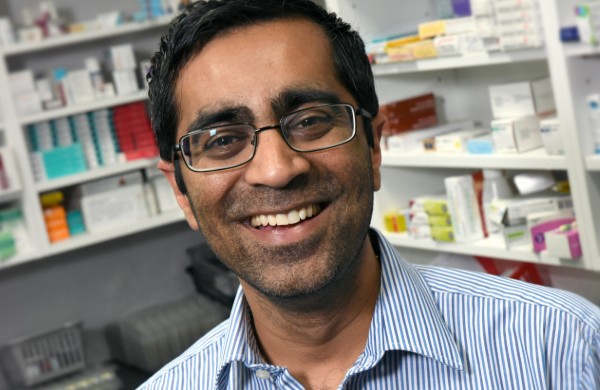
Shamir Patel
Shamir Patel is a UK-based Clinical Pharmacist and Independent Prescriber with a specialist focus on ADHD and weight management.
He is the Registered CQC Manager at Ready Health Medical Clinic, where he leads the development and delivery of safe, patient-centred services across ADHD assessment and treatment, weight loss programmes, and general medical care.
With a career spanning nearly three decades since qualifying in 1995, Shamir brings extensive clinical and operational experience across both community pharmacy and private healthcare.
He also serves as Deputy Superintendent Pharmacist and Lead Prescriber at PillSorted. He oversees high-volume prescribing services. He focuses on GLP-1 weight loss treatments and clinical governance.
Shamir is a SCOPE-accredited obesity specialist and has a strong interest in improving access to evidence-based ADHD care. He is known for his structured, guideline-driven approach, aligning his clinical practice with NICE recommendations and regulatory standards set by the GPhC and CQC.
Alongside his clinical work, Shamir is actively involved in mentoring prescribing pharmacists, developing standard operating procedures, and contributing to service innovation within digital and community healthcare settings. His work reflects a commitment to safe prescribing, patient education, and improving outcomes through practical, accessible care.
Disclaimer
The information on this website is provided for general educational and informational purposes only and is not intended as medical advice, diagnosis, or treatment. Articles reflect general guidance and may not be suitable for your individual circumstances. You should always seek advice from a qualified healthcare professional before starting, stopping, or changing any treatment, medication, or healthcare plan. While we aim to keep our content accurate and up to date, Ready Health makes no guarantees about the completeness, accuracy, or suitability of the information provided. Reliance on any information on this site is entirely at your own risk. If you have concerns about your health, please book an appointment with a suitably qualified clinician. In an emergency, contact 999 or attend your nearest A&E department.


