
According to Diabetes UK, more than 850,000 people across the country are living with undiagnosed diabetes as of 2023. This often occurs because many early diabetes symptoms, such as mild lethargy or increased thirst, are easily dismissed as the result of a demanding schedule. We understand the frustration of waiting weeks for an NHS blood test when you're seeking immediate answers about your health.
You've likely experienced the anxiety of navigating vague symptoms without a clear clinical explanation. It's difficult to feel empowered when you're stuck in a cycle of uncertainty and fatigue. Our goal is to provide the professional guidance you need to move from doubt to a state of proactive readiness.
This guide will help you recognise the subtle signs of the condition and explain how fast-track diagnostics in Standish can help you regain your vitality. We'll examine the differences between Type 1 and Type 2 indicators and outline a clear, science-backed path toward clinical clarity in a local setting.
Key Takeaways
- Understand why subtle changes in your health, often dismissed as stress or ageing, may actually be early indicators of a long-term condition requiring professional attention.
- Master the "4Ts" framework to help you identify common diabetes symptoms and distinguish between temporary fatigue and a clinical need for further investigation.
- Learn to evaluate your personal risk profile by examining key factors such as BMI and family history to stay proactive in your journey toward optimal vitality.
- Discover what to expect during a diagnostic assessment and why the HbA1c test remains the gold standard for measuring your long-term blood glucose stability.
- Find out how accessing fast-track clinical answers in Standish can provide the clarity and peace of mind you need to manage your health with confidence.
Understanding Diabetes Symptoms: Why Early Detection Matters in Wigan
Diabetes is a condition where your blood glucose levels remain consistently too high. Your body either doesn't produce enough insulin or cannot use it effectively to convert sugar into energy. This process is central to your daily vitality. To get a comprehensive overview of diabetes, it helps to understand how these metabolic shifts impact your long-term health. When your sugar levels are stable, you feel capable and focused. This is the essence of Readiness, a state where your body is fully prepared for the physical and mental demands of life in Wigan.
To better understand this concept, watch this helpful video:
Recognising diabetes symptoms isn't always straightforward. Many people dismiss persistent fatigue or a dry mouth as simple side effects of stress or the natural ageing process. These signs often emerge so gradually that they become a new normal. Early intervention is vital. Catching these changes early can prevent complications that affect your heart, eyes, and kidneys later in life. We believe that health is about more than just avoiding illness; it is about optimising your body for peak performance.
The Silent Nature of High Blood Sugar
Your body is remarkably resilient. It often attempts to manage excess glucose by filtering it through the kidneys, which is why increased urination is a common early sign. In Type 2 diabetes, these symptoms can simmer under the surface for years without being noticed. Type 1 signs tend to appear much more rapidly, often within a few weeks. In Greater Manchester, health data indicates that approximately 190,000 people are living with a diagnosis, but thousands more remain unaware of their status. Being proactive is essential for Wigan residents who want to maintain their long-term vitality and avoid the "slow burn" of undiagnosed high sugar.
Why "Wait and See" is Rarely the Best Strategy
Ignoring subtle changes can lead to unnecessary cardiovascular strain. High blood sugar damages blood vessels over time, which increases the risk of heart disease and circulation issues. Trust your intuition if you feel "off" or less energetic than usual. It's better to seek clarity than to let a manageable condition progress into something more serious. You can easily book a private GP appointment in Wigan to discuss your concerns and access a simple blood test. Taking control now ensures you stay ready for whatever the future holds. A quick check-up provides the peace of mind needed to focus on your daily goals without the shadow of health uncertainty.
This article is for informational purposes only and does not constitute medical advice. Please consult a qualified healthcare professional before making any health decisions.
The Common Signs of Type 1 and Type 2 Diabetes
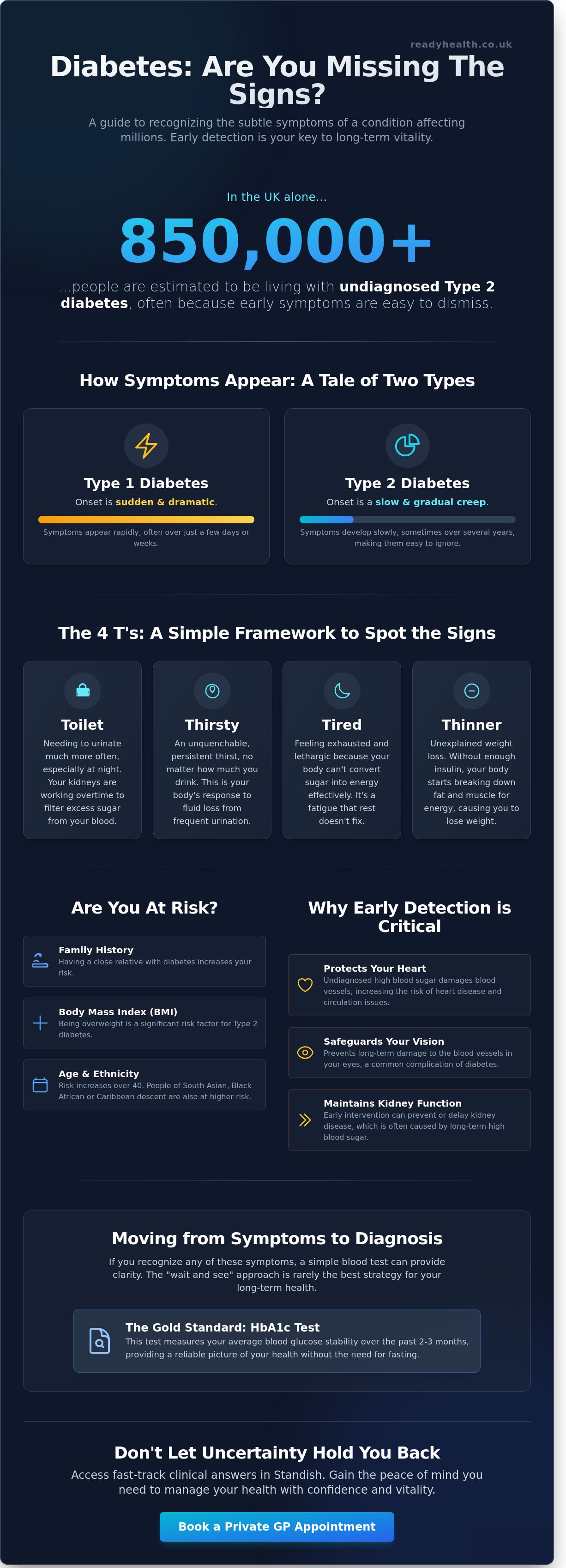
Recognising diabetes symptoms early is the most effective way to protect your long term health. While both types involve high blood glucose, they reveal themselves in very different ways. Type 1 often presents with a sudden, dramatic onset over just a few days or weeks. In contrast, Type 2 is frequently described as a "slow creep" where symptoms develop so gradually they become part of your normal daily life. In fact, NHS data suggests that approximately 850,000 people in the UK are currently living with Type 2 diabetes but haven't yet been diagnosed.
The 4Ts: A Simple Framework for Families
The "4Ts" is a clinical tool designed to help you spot the primary warning signs before complications arise. Each "T" represents a physiological response to the body's inability to process sugar correctly.
- Toilet: You might find yourself visiting the bathroom much more frequently, particularly during the night. This happens because your kidneys are working at maximum capacity to filter out excess glucose, pulling extra fluid from your tissues in the process.
- Thirsty: This isn't a standard thirst. It's an unquenchable, persistent need for water that remains regardless of how much you drink. This biological "thirst loop" is a direct result of the fluid loss caused by frequent urination.
- Tired: You may feel a profound, heavy fatigue that sleep doesn't fix. When glucose can't enter your cells to be used for energy, your body effectively begins to run on empty.
- Thinner: Unexplained weight loss is common, especially in Type 1. If your body can't get energy from sugar, it starts burning its own fat and muscle for fuel instead. Some individuals lose 5kg to 10kg in just a few months without changing their diet.
Subtle Symptoms You Might Overlook
Beyond the primary 4Ts, other indicators can be easily dismissed as signs of ageing or stress. Identifying your personal risk for diabetes involves looking at smaller changes, such as blurred vision. High blood sugar causes fluid to shift into the lenses of your eyes, changing their shape and making it harder to focus. You might also notice that small cuts or bruises take 14 days or longer to heal, as high glucose levels can impair blood circulation and the body's natural repair mechanisms.
Skin changes are another significant marker. You might see dark, velvety patches in the folds of the skin, such as the neck or armpits, which is a sign of insulin resistance. Recurring infections, particularly thrush or skin boils, are also common because yeast and bacteria thrive in sugar-rich environments. If these signs feel familiar, you can book a comprehensive health screen at our Standish clinic to gain clarity on your metabolic health.
Understanding these diabetes symptoms empowers you to take proactive steps. Whether it's a sudden change in energy or a persistent thirst, these signals are your body's way of asking for support. Catching these signs early allows for better management and reduces the risk of long term damage to your heart and nerves. Being prepared with this knowledge is the first step toward maintaining your daily vitality and long term wellness.
Identifying Your Personal Risk: Who is Most Vulnerable?
Understanding your risk level is the first step toward proactive health management. While anyone can develop the condition, certain biological and environmental factors significantly increase your likelihood of experiencing diabetes symptoms. In Wigan, we see a unique intersection of lifestyle habits and genetic predispositions that make regular screening essential for our community.
Body Mass Index (BMI) remains a primary indicator, but it isn't the only metric that matters. Clinical research indicates that carrying excess weight around your middle, known as visceral fat, is a major driver of insulin resistance. For men, a waist measurement of 94cm or more signals increased risk; for women, the threshold is 80cm. This internal fat wraps around vital organs like the liver and pancreas, disrupting the body's ability to regulate glucose effectively.
The modern "Lancashire diet" often plays a role here. Local staples that are high in refined carbohydrates and saturated fats can lead to consistent blood sugar spikes. When combined with a sedentary lifestyle, these habits force the pancreas to work overtime. Over years of this cycle, the body's sensitivity to insulin often diminishes, leading to the gradual onset of Type 2 diabetes.
Age, Ethnicity, and Genetic Factors
Your biological blueprint influences your risk profile more than you might realise. If a parent or sibling has the condition, your risk of developing Type 2 diabetes can increase by up to 300%. Genetics also play a defining role in Type 1 diabetes, which is an autoimmune response rather than a lifestyle-related condition. While we can't change our DNA, knowing your family history allows us to create a more aggressive screening timeline for you.
Age and ethnicity are equally critical variables. People from South Asian, Black African, or African-Caribbean backgrounds face a significantly higher risk and may develop the condition at a lower BMI than those of white European descent. For these groups, the risk increases from age 25. For the wider population in Wigan, the risk climbs sharply once you pass 40. We recommend that anyone in these high-risk categories considers our comprehensive blood test packages to establish a clear baseline of their metabolic health.
Lifestyle and Weight Management in Wigan
Living in a bustling town like Wigan means balancing work, family, and social commitments, which often leaves little room for physical activity. However, movement is medicine. Even 150 minutes of moderate activity per week can reduce your risk of Type 2 diabetes by roughly 40%. It's about finding a daily ritual that works for you, whether that's a brisk walk through Haigh Woodland Park or a structured gym session in Standish.
Small, sustainable shifts are often more effective than radical, short-lived overhauls. Swapping processed snacks for whole foods and reducing sugary drinks helps stabilise your energy levels and protects your long-term vitality. At Ready Health, we're dedicated to helping you stay ahead of potential health challenges. Our private medical memberships provide the ongoing support and clinical oversight needed to manage your weight and monitor early diabetes symptoms before they escalate. We're here to ensure you're always prepared for the demands of a busy life.
Moving from Symptoms to Diagnosis: What to Expect
Recognising diabetes symptoms is a vital first step toward reclaiming your health. The journey from initial suspicion to a clinical diagnosis is designed to provide clarity and a structured path forward. It begins with a detailed conversation about your daily habits, energy levels, and physical changes. This dialogue allows a practitioner to map your experiences against clinical markers, ensuring that no detail of your metabolic health is overlooked.
In the local Wigan community, traditional wait times for routine blood tests can often span several weeks. This delay can lead to unnecessary anxiety and a period of physical stagnation. Private diagnostics offer a streamlined alternative, frequently delivering laboratory-validated results within 24 to 48 hours. This speed is a cornerstone of our approach, as it allows you to move quickly from uncertainty to a proactive management plan.
A diagnosis isn't a limitation on your lifestyle; it's the moment you gain the precise data required to optimise your vitality. It serves as the foundation for a bespoke strategy involving nutrition, movement, and perhaps supplementation. By identifying the state of your blood sugar early, we can work together to prevent long-term complications and ensure you remain ready for the demands of modern life.
The HbA1c Blood Test Explained
The HbA1c test is the gold standard for identifying diabetes and pre-diabetes. It measures the percentage of glucose that has bonded to your red blood cells over their 120-day lifespan. This provides a stable, accurate average of your blood sugar levels from the previous 2 to 3 months, rather than a single snapshot in time. Because the test measures long-term trends, fasting is not typically required, making it a convenient option for a busy schedule. For professional sample collection in a clinical setting, you can access our phlebotomy services to ensure your data is handled with the highest standards of care.
Preparing for Your Private Consultation
Preparation is key to a productive clinical discussion. We suggest keeping a 48-hour diary that tracks your fluid intake, food choices, and any recurring diabetes symptoms you've noticed. This real-world data helps bridge the gap between your daily routine and laboratory results. It's also helpful to list any family history of autoimmune or metabolic conditions, as these insights help us understand your genetic predispositions. A 15 or 30-minute private appointment ensures there is ample time for an unhurried, thorough conversation. This space allows you to ask questions and fully understand the science behind your results.
Taking control of your metabolic health starts with an expert assessment. You can book a consultation at Ready Health to begin your journey toward optimal wellness today.
This article is for informational purposes only and does not constitute medical advice. Please consult a qualified healthcare professional before making any health decisions.
Fast-Track Private Diabetes Care in Standish: The Ready Health Approach
Ready Health stands as Wigan's dedicated hub for clinical precision and rapid diagnostic answers. When you're concerned about potential diabetes symptoms, waiting weeks for an initial consultation creates unnecessary anxiety. We've structured our Standish clinic to eliminate these delays; offering same-day or next-day appointments that provide the clarity you need exactly when you need it. Our approach combines advanced diagnostic testing with the seasoned expertise of our private GPs, ensuring your path from concern to a concrete health plan is seamless and supportive.
Clarity is the first step toward vitality. We don't just hand you a lab report; we interpret the data through the lens of your unique lifestyle and medical history. By integrating on-site phlebotomy with immediate GP reviews, we often reduce the diagnostic timeline from weeks to just 48 hours. This efficiency isn't just about speed; it's about providing the mental space for you to focus on your recovery and long-term health optimization rather than the stress of the unknown.
Why Choose a Private GP in Wigan?
Standard appointments in the local area often feel rushed, frequently limited to just 10 minutes. At Ready Health, we prioritise unhurried consultations, typically lasting 30 minutes, where your story takes centre stage. Our Standish location on the High Street offers easy, stress-free parking, so your visit starts with a sense of calm. For those seeking a comprehensive overview of their physiological status, we provide a Well Man or Well Woman profile. These profiles act as a total health MOT, screening up to 50 different biomarkers to ensure your endocrine system is functioning at its peak.
- Direct Access: Skip the triage queues and speak directly to a clinician who understands your health goals.
- Clinical Synergy: We combine blood glucose monitoring with cardiovascular and renal checks for a holistic view of your diabetes symptoms.
- Bespoke Guidance: Receive a personalised wellness roadmap that focuses on bioavailability and science-backed lifestyle shifts.
Your Journey to Optimal Health Starts Here
Being "Ready" for life’s demands starts with data. You can't manage what you haven't measured, and you shouldn't have to navigate complex health markers alone. We encourage Standish and Wigan residents to step into our clinic for professional, compassionate care that treats you as a partner in your own health journey. Our practitioners provide the tools and the "why" behind every recommendation, empowering you to make informed decisions about your daily rituals and long-term vitality.
Don't let lingering uncertainty hold you back from the life you deserve. Whether you've noticed subtle changes in your energy levels or specific physical signs, getting professional confirmation is a proactive act of self-care. You can book an appointment online today to secure your session with one of our expert clinicians and begin your journey toward optimal health.
This article is for informational purposes only and does not constitute medical advice. Please consult a qualified healthcare professional before making any health decisions.
Taking Proactive Steps for Your Long-Term Vitality
Early intervention is the most effective tool we have in managing your health. Research from Diabetes UK indicates that early detection and the right support can help prevent or delay up to 80% of complications associated with the condition. By learning to identify the common diabetes symptoms, you've already taken the first step toward safeguarding your future well-being.
At Ready Health, we've designed our services to remove the stress of waiting. Our CQC-regulated clinic in the heart of Standish provides a calm environment where you're treated as a partner in your own care. We offer same-day blood test results for many screenings, led by experienced local practitioners who value your time and peace of mind. You don't have to live with uncertainty when professional clarity is available right here in Wigan.
We're here to help you feel prepared and optimised for whatever life brings next. Book your private GP consultation or diabetes screening in Wigan today and gain the clinical insight you need to move forward with confidence.
This article is for informational purposes only and does not constitute medical advice. Please consult a qualified healthcare professional before making any health decisions.
Frequently Asked Questions
Can I have diabetes without any symptoms?
Yes, you can certainly have Type 2 diabetes without noticing any physical changes. Statistics show that 6 in 10 people with the condition don't experience obvious diabetes symptoms during the early stages. This makes proactive screening essential for maintaining your long-term vitality and identifying issues before they escalate.
How quickly can I get a diabetes test at Ready Health in Wigan?
You can usually book a blood test at our Standish clinic for the same or next working day. We understand that waiting for health answers creates unnecessary stress. Our streamlined process ensures your samples reach the laboratory immediately, with most clinical reports delivered to your inbox within 24 to 48 hours.
Is there a difference between Type 1 and Type 2 symptoms?
Type 1 symptoms typically appear suddenly over a few weeks, while Type 2 symptoms often develop slowly over several years. Both conditions involve high blood sugar, but they require different clinical approaches. Since 2017, the UK has seen a 50% increase in Type 2 diagnoses among younger adults, making it vital to recognise even subtle diabetes symptoms like persistent fatigue.
What should I do if my child is showing signs of extreme thirst?
You must contact a healthcare professional immediately for a blood glucose assessment if your child is constantly thirsty. This is one of the "4Ts" of Type 1 diabetes: Thirst, Toilet, Tiredness, and Thinner. Rapid action is vital because untreated symptoms in children can lead to serious complications like diabetic ketoacidosis within just 24 hours.
Will a private diabetes test be recognised by my NHS GP?
Yes, your NHS GP will recognise the results because we use accredited laboratories that meet the same high standards as the health service. We provide a detailed clinical report that you can present at your local Wigan surgery. This partnership ensures you can transition smoothly into the NHS care pathway if you require ongoing management or prescriptions.
Does being overweight always mean I will get diabetes?
No, being overweight is a risk factor rather than a guarantee of a future diagnosis. While 90% of UK adults living with Type 2 diabetes are above their ideal weight, genetics and ethnicity also influence your risk profile. We focus on helping you understand your unique biomarkers so you can stay prepared and proactive about your metabolic health.
What is a "prediabetes" diagnosis and is it reversible?
Prediabetes is a state where your blood sugar levels are higher than normal, specifically an HbA1c between 42 and 47 mmol/mol, but not yet in the diabetic range. It's a critical window of opportunity because the condition is often reversible. Clinical research indicates that 50% of individuals who adopt intensive lifestyle changes can return their blood sugar to optimal levels within three years.
How much does a private diabetes blood test cost in Standish?
A focused HbA1c blood test at our Standish clinic costs £49 and provides a clear average of your blood sugar over the last 12 weeks. For those seeking a deeper dive into their health, our comprehensive wellness panels start at £129. These broader tests include markers for cholesterol and kidney function to ensure your body is fully optimized for daily life.
This article is for informational purposes only and does not constitute medical advice. Please consult a qualified healthcare professional before making any health decisions.
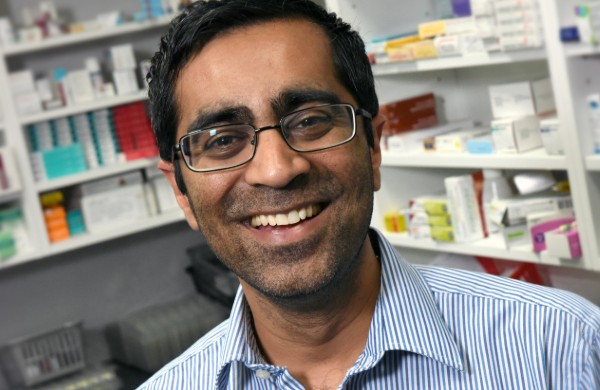
Article by
Shamir Patel
Shamir Patel is a UK-based Clinical Pharmacist and Independent Prescriber with a specialist focus on ADHD and weight management.
He is the Registered CQC Manager at Ready Health Medical Clinic, where he leads the development and delivery of safe, patient-centred services across ADHD assessment and treatment, weight loss programmes, and general medical care.
With a career spanning nearly three decades since qualifying in 1995, Shamir brings extensive clinical and operational experience across both community pharmacy and private healthcare.
He also serves as Deputy Superintendent Pharmacist and Lead Prescriber at PillSorted. He oversees high-volume prescribing services. He focuses on GLP-1 weight loss treatments and clinical governance.
Shamir is a SCOPE-accredited obesity specialist and has a strong interest in improving access to evidence-based ADHD care. He is known for his structured, guideline-driven approach, aligning his clinical practice with NICE recommendations and regulatory standards set by the GPhC and CQC.
Alongside his clinical work, Shamir is actively involved in mentoring prescribing pharmacists, developing standard operating procedures, and contributing to service innovation within digital and community healthcare settings. His work reflects a commitment to safe prescribing, patient education, and improving outcomes through practical, accessible care.
Disclaimer
The information on this website is provided for general educational and informational purposes only and is not intended as medical advice, diagnosis, or treatment. Articles reflect general guidance and may not be suitable for your individual circumstances. You should always seek advice from a qualified healthcare professional before starting, stopping, or changing any treatment, medication, or healthcare plan. While we aim to keep our content accurate and up to date, Ready Health makes no guarantees about the completeness, accuracy, or suitability of the information provided. Reliance on any information on this site is entirely at your own risk. If you have concerns about your health, please book an appointment with a suitably qualified clinician. In an emergency, contact 999 or attend your nearest A&E department.


